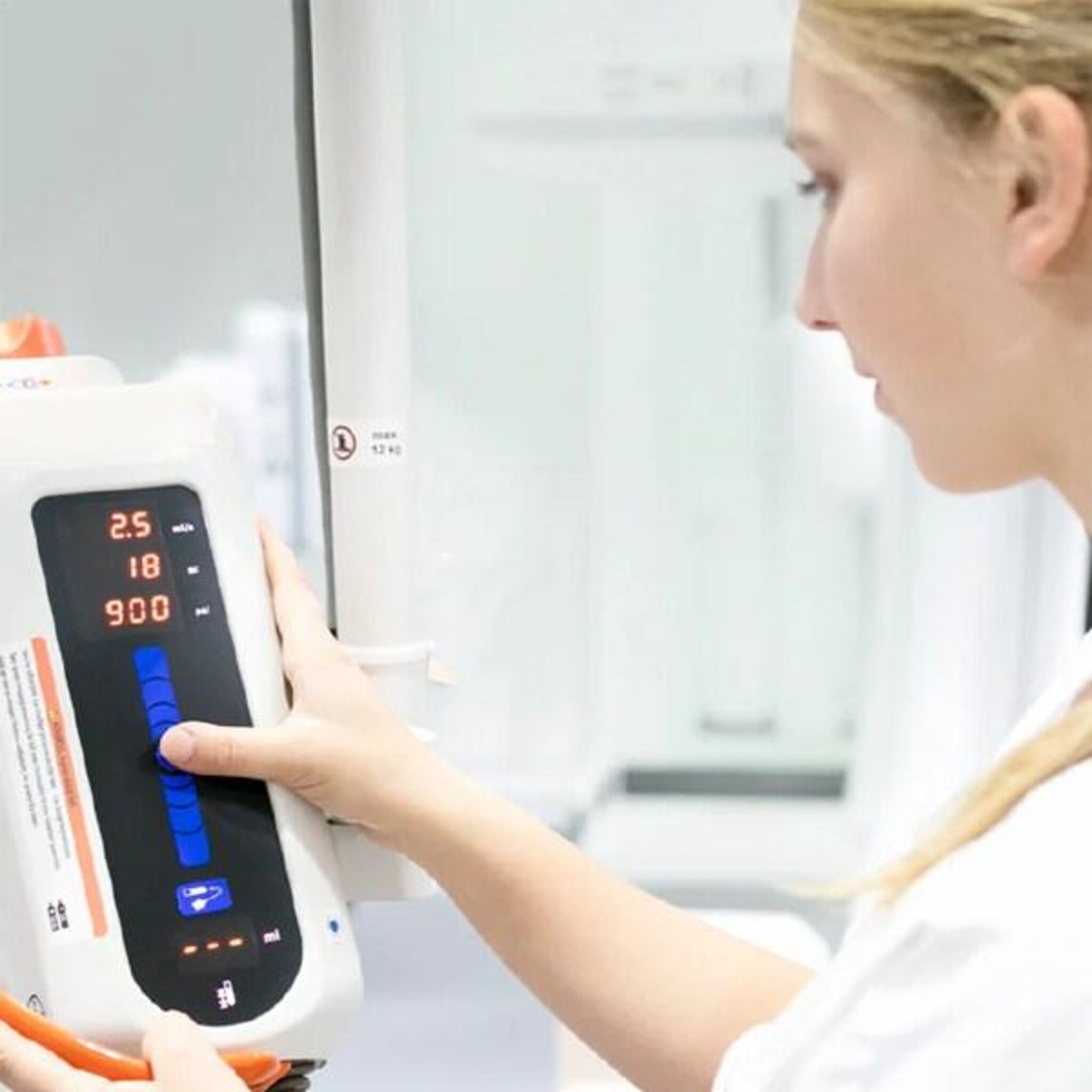
Woman using the Medrad® Mark 7 Arterion injector

Versatility

With easy-to-use functionality, reliable performance, simple set-up, and use for single-patient injections, the MEDRAD® Arterion injector offers flexible solutions for a broad range of procedures.
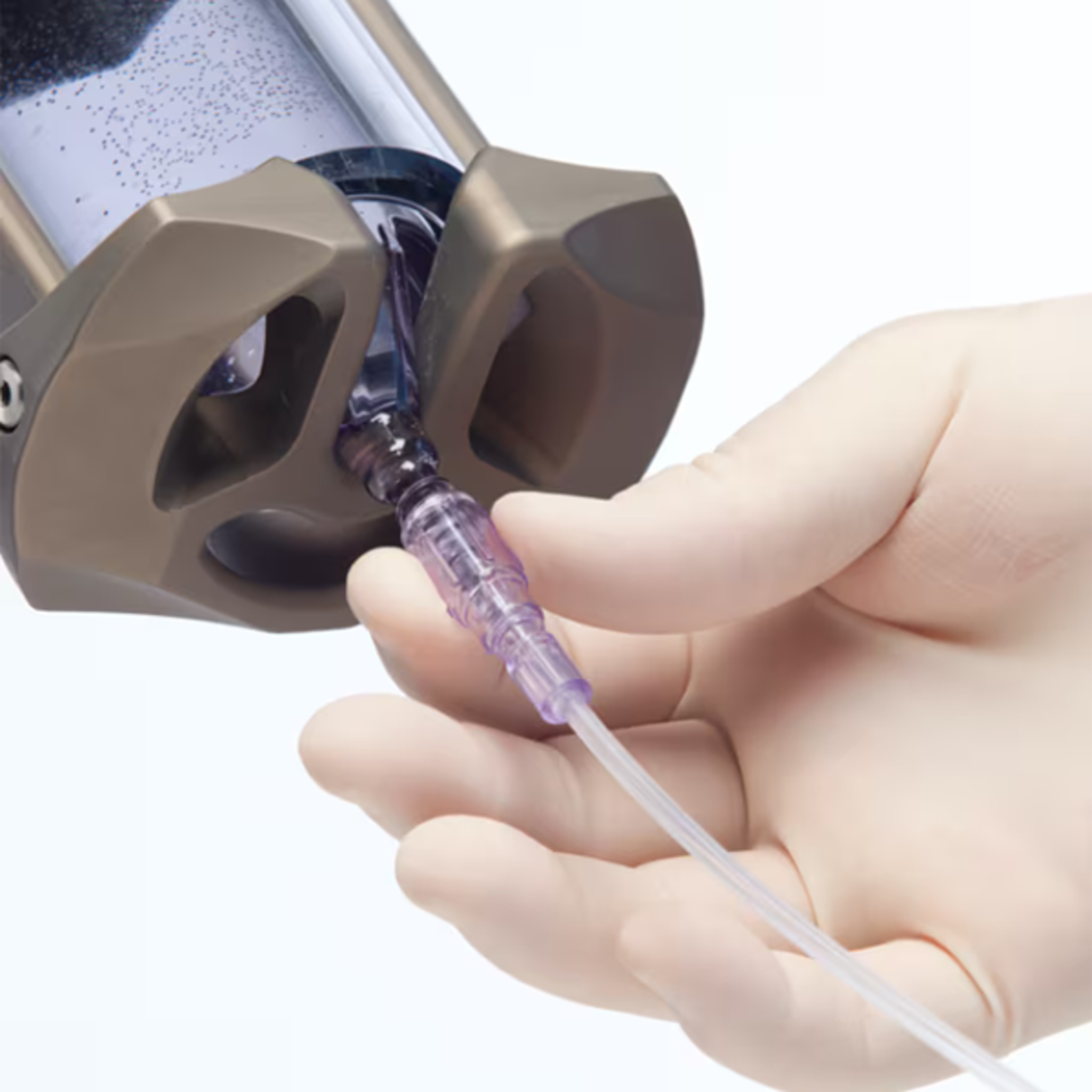
simple-set-up-and-use-for-single-patient-injections

Simple Set‍-‍up and Use for Single‍-‍Patient Injections

Arterion is easy to operate, from the set-up of syringes and disposables, automated contrast delivery, to post-procedure handling.
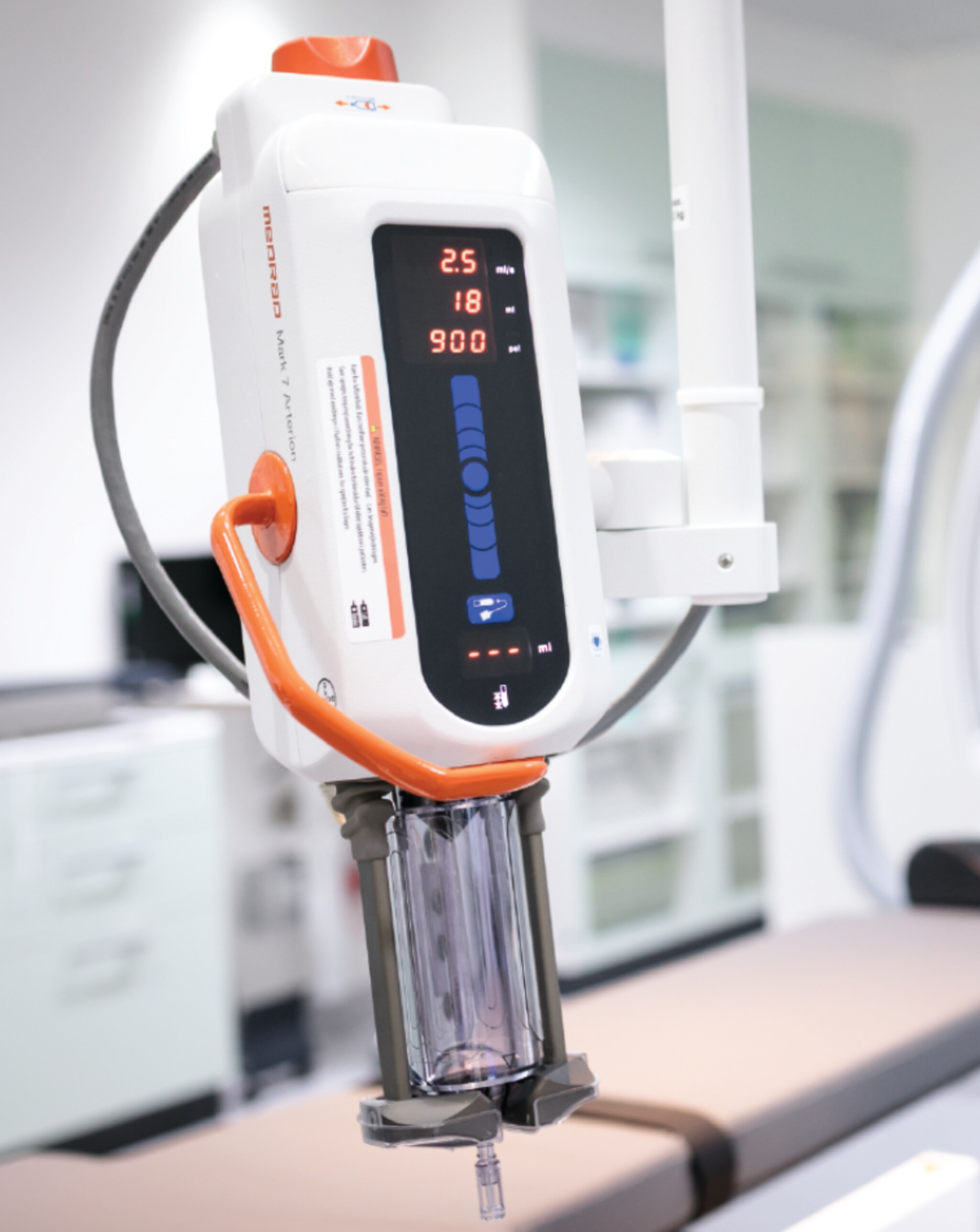
Arterion-v3

Interventional Radiology/Peripheral Vascular Procedures

Used in multiple interventional and diagnostic procedures, including endovascular aortic repair (EVAR), transarterial embolisation (TAE), and cerebral angiography.

PP-M-MARK-AU-0006-3
Date of preparation: July 2026


    • 1
      Bayer, internal data on file. Blinded Customer Perception Survey among 160 IR + IC, in US, DE, IT, and JP, 2021.
    • 2
      Nijssen EC, Rennenberg RJ, Nelemans PJ, et al. Prophylactic hydration to protect renal function from intravascular iodinated contrast material in patients at high risk of contrast-induced nephropathy (AMACING): a prospective, randomised, phase 3, controlled, open-label, non-inferiority trial. Lancet. 2017;389(10076):1312-1322. doi:10.1016/ S0140-6736(17)30057-0
    • 3
      Mascoli C, Faggioli G, Gallitto E, et al. The Assessment of Carbon Dioxide Automated Angiography in Type II Endoleaks Detection: Comparison with Contrast-Enhanced Ultrasound. Contrast Media Mol Imaging. 2018;2018:7647165. Published 2018 Mar 26. doi:10.1155/2018/7647165
    • 4
      Mascoli C, Faggioli G, Gallitto E, et al. Standardization of a Carbon Dioxide Automated System for Endovascular Aortic Aneurysm Repair. Ann Vasc Surg. 2018;51:160-169. doi:10.1016/j.avsg.2018.01.099
    • 5
      Ognard J, Magro E, Caroff J, et al. A new time-resolved 3D angiographic technique (4D DSA): Description, and assessment of its reliability in Spetzler-Martin grading of cerebral arteriovenous malformations. J Neuroradiol. 2018;45(3):177-185. doi:10.1016/j.neurad.2017.11.004